What Is Efflorescence and How to Remove It from Concrete?
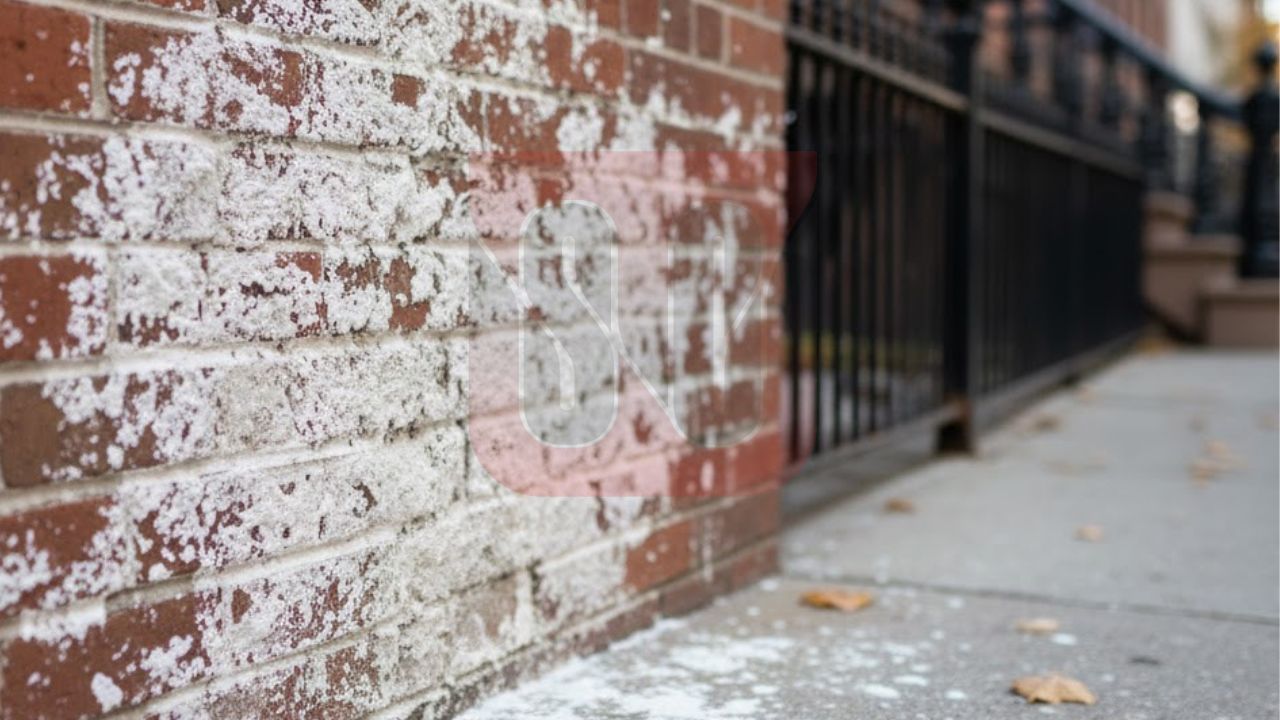
Efflorescence is a white, powder-like substance that appears on the surface of concrete and other masonry materials. It often looks like baby powder, chalk dust, or thin white crystals spreading across the surface. Even though it looks like something serious, it’s really just a buildup of mineral salts. These salts naturally exist inside concrete, bricks, and soil. The only reason they show up on the surface is because water carried them there.
When moisture inside the concrete rises up to the surface, it evaporates into the air. But before it disappears, it brings dissolved mineral salts along for the ride. When the water dries up, the salts don’t evaporate. They stay behind and create that white coating you see. That’s efflorescence.
The important thing to remember is that efflorescence itself does not damage concrete. It doesn’t crack it, weaken it, or shorten its lifespan. It’s mostly just a visual problem. Some homeowners get worried thinking it’s mold or fungus, but it isn’t alive and doesn’t grow or spread on its own. It’s simply a side effect of water movement inside the concrete.
What Causes Efflorescence?
Efflorescence occurs because water moves through the concrete, dissolves natural salts, and brings them to the surface. The process starts when moisture enters the tiny pores and capillaries within the concrete structure. These pores are like tiny tunnels that allow water to travel through the material, especially if the concrete is newly poured or constantly exposed to dampness.
Once the water makes its way inside, it mixes with the salts found within the cement and aggregates. These salts are harmless on their own, but when water dissolves them, they form a salty solution that migrates upward toward the surface. When the water reaches open air, the sun or wind causes it to evaporate. The water disappears, but the salts are left behind in a dry, powdery form.
Efflorescence becomes more common in areas that stay wet for long periods or where water frequently touches the concrete. Things like leaking gutters, ground moisture, poor drainage, or constant shade can make the problem worse. You’ll also see it more often on new concrete because fresh concrete still contains a lot of internal moisture that tries to escape as it cures. Understanding this basic cause helps you see why cleaning alone isn’t enough; you also need to address the moisture source if you want permanent results.
How to Remove Efflorescence
Removing efflorescence isn’t difficult, but the method you choose depends on how severe the deposits are. Some concrete only needs a quick brushing, while others might require a cleaner or pressure washing. You can start with the simplest approach and move up to stronger methods if needed. Every method aims to break down the salt deposits and wash them off without harming the concrete.
If the efflorescence on your concrete surface is linked to deeper cracks, moisture intrusion, or long-term structural issues, it’s best to get it inspected by experienced contractors who specialize in concrete repair.
Brushing
Brushing is the gentlest and easiest way to remove efflorescence, especially when the deposits are light and powdery. Using a stiff-bristled brush on a dry surface often wipes away most of the powder in just a few minutes. The brushing action loosens the salt crystals from the pores of the concrete, and sweeping away the dust helps restore the surface to its normal appearance.
If the dry brushing doesn’t fully remove the buildup, you can wet the surface and brush again. Water helps soften the salts and makes them easier to scrub loose. This simple combination of water and elbow grease is often enough for mild to moderate efflorescence. It’s a great first step before trying more aggressive cleaners.
Commercial Cleaner
For thicker or more stubborn efflorescence, a commercial concrete and masonry cleaner works well. These cleaners are designed specifically to dissolve mineral deposits and open the concrete’s pores for deep cleaning. Before applying the cleaner, the concrete should be lightly wetted. This helps stop the cleaner from soaking too deep into the surface, which can lead to uneven color or mild etching.
After applying the cleaner, allow it a few minutes to break down the mineral deposits. Then scrub the area thoroughly with a brush. Once the scrubbing is complete, rinse the entire area with plenty of clean water. It’s important not to leave any residue behind because leftover cleaner can react with the concrete or cause new discoloration. When used correctly, a commercial cleaner can make the surface look almost brand new.
Vinegar Solution
If you prefer a gentler or more natural option, a simple mixture of white vinegar and water can remove efflorescence effectively. The mild acid in white vinegar helps dissolve the mineral salts without being as strong or aggressive as some commercial products. Mixing vinegar and water in a 1:1 ratio keeps things safe and effective.
To use this method, apply the vinegar solution to the affected area and let it sit for five to ten minutes. This gives the vinegar enough time to break down the salt deposits. However, be careful not to let the solution dry on the surface, as this may leave behind streaks. After the waiting period, scrub the area with a brush and rinse with plenty of water to wash away both the vinegar and the loosened deposits.
High-Pressure Washing
Pressure washing is another effective option, especially for large areas or heavy deposits. A pressure washer can blast away efflorescence quickly, but it should be used with caution. Too much pressure can actually damage the concrete, leaving rough or chipped spots. To avoid this, start with a low-pressure setting and gradually increase it only if necessary.
When pressure washing, keep the nozzle moving rather than holding it in one spot. This prevents uneven cleaning or accidental etching. A smooth, sweeping motion helps clean the surface evenly. After washing, allow the area to dry so you can see whether any deposits remain. If needed, you can go over it again with a more targeted method like brushing or vinegar.
Neutralize and Rinse
Anytime you use an acidic cleaner—whether it’s vinegar or a commercial product—it’s important to neutralize the surface afterward. This helps ensure the concrete isn’t left with acidic residue that could cause long-term damage or interfere with future sealing. A simple neutralizing mixture can be made by dissolving baking soda in water, usually about one cup of baking soda per gallon of water.
Pour or spray the baking soda solution onto the cleaned concrete and let it soak for a few minutes. Then rinse the area thoroughly with clean water. This final rinse helps restore the concrete to a safe, neutral pH level and washes away any remaining cleaner. This step is especially important if you plan to apply a sealer afterward.
Preventing Future Efflorescence
Once you've cleaned the concrete, the next step is preventing efflorescence from returning. Since moisture is the real cause, reducing water exposure is the key to long-term success.
Fix Moisture Problems
Efflorescence will continue to appear as long as water keeps entering the concrete. That’s why it’s important to find and fix any sources of moisture nearby. Sometimes this means redirecting a downspout, repairing a leaking gutter, improving surface drainage, or adjusting irrigation so water doesn’t constantly hit the concrete. In other cases, it might involve filling cracks or sealing joints where water can seep in.
Taking care of these moisture issues doesn’t just reduce efflorescence. It also helps protect the concrete from staining, erosion, and freeze-thaw damage. Even small improvements can make a big difference in keeping the surface dry and clean.
Seal the Surface
After the concrete is clean and completely dry, applying a high-quality sealer can make a huge difference in preventing efflorescence. A sealer creates a protective layer on the surface that blocks water from soaking into the pores. When water can’t penetrate the surface, it can’t dissolve salts or bring them to the top.
Sealers come in different types, including penetrating sealers and topical coatings.
- Penetrating sealers soak into the pores to reduce water absorption while keeping the natural look.
- Topical sealers sit on the surface and can add a light sheen. Either option helps control moisture and keeps your concrete looking better for longer.
Waterproof the Back
Efflorescence on retaining walls is often caused by water pressure coming from behind the wall rather than from the front. In these cases, waterproofing the backside of the wall is the most effective solution. This may involve applying waterproof coatings, adding drainage pipes or gravel backfill, or improving the grading so water flows away instead of toward the wall. When water is stopped from entering the wall from behind, efflorescence stops appearing on the front.
Conclusion
Efflorescence might look messy and confusing, but it’s nothing to be stressed about. It’s simply a sign that water is carrying salts to the surface of your concrete. The good news is that you can clean it using simple methods like brushing, vinegar, commercial cleaners, or gentle pressure washing. Once the concrete is clean, addressing the moisture source and sealing the surface helps keep the problem from coming back.
With a little attention and the right steps, from inspection to cleaning and repairing and sealing professionally, you can restore your concrete to a clean, fresh appearance and keep it that way for years.
If your concrete sidewalk has deep structural issues, don’t hesitate to reach out to a licensed contractor near you to find a premium solution that best fits your concrete needs.