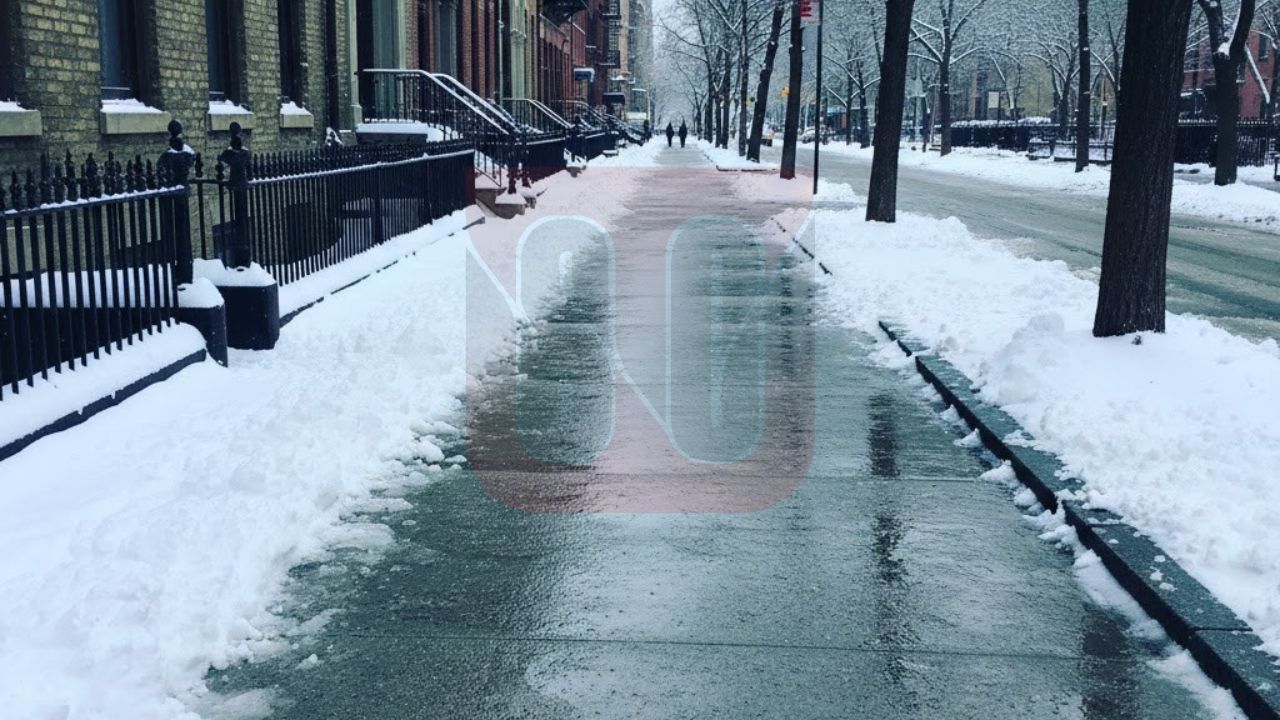
Efficient Ways to Remove Snow from Concrete Sidewalks
Living in New York City means dealing with snow and ice every winter. It piles up on sidewalks, making them slippery and unsafe. Falls and accidents are common when walkways freeze over. That’s why it’s important to know how to clear snow safely without ruining your concrete. Some products melt ice fast, but they can also damage your surface. Let’s look at the easiest, safest, and most eco-friendly ways to remove snow and ice while keeping your concrete sidewalks in great shape.
Quick Way to Melt Ice on Sidewalks
The fastest way most people melt ice is by using rock salt. When you sprinkle it over ice, it lowers the freezing point of water and melts the ice quickly. It works best when the temperature is above 15°F (-9°C).
A thin layer of rock salt can clear ice in just a few minutes. But here’s the catch: salt can be tough on concrete. The sodium chloride in it breaks down the surface and seeps into cracks, causing damage over time, while harming nearby grass and plants.
If rock salt is your only option, use it just to melt the ice. Then, within 20 to 30 minutes, shovel the surface clean to prevent long-term damage.
How to Remove Ice without Damaging Concrete
Using rock salt might be quick, but it’s not the safest choice for your concrete sidewalks. Luckily, there are better options that melt ice without leaving damage behind.
Deice with Magnesium Chloride and Calcium Chloride
Magnesium chloride and calcium chloride are both excellent choices for melting snow without harming concrete. They’re softer and less damaging than regular salt.
- Magnesium chloride is safe for pets and plants. It comes in flakes or pellets and melts ice by creating a liquid layer that loosens it from the surface.
- Calcium chloride works even faster, especially in pellet form. It’s effective in colder temperatures and helps melt ice before it sticks too hard.
Using Calcium Magnesium Acetate
Calcium magnesium acetate is another safe option for concrete sidewalks. It’s made from the same stuff found in vinegar and doesn’t harm plants. However, it doesn’t work well in extreme cold, i.e., if the temperature is below 20°F (-6°C), it may lose its strength.
Removing Ice with Urea
Urea is often used as fertilizer, but it can also help melt ice. It’s gentle on concrete but not great for plants if overused. Plus, it doesn’t work very well when temperatures fall below 59°F (15°C).
Sustainable Ways to Melt Snow on Sidewalks
Chemical de-icers work fast, but they can harm your landscape and nearby water. If you want a long-term or eco-friendly fix, here are a few options that are safe and effective.
Heated Sidewalks
A heated sidewalk is one of the most effective ways to keep your walkway free from ice during winter. The system uses heating coils installed beneath the concrete to keep the surface warm, preventing snow and ice from sticking. While it’s a bigger upfront investment, it saves a lot of time and effort in the long run.
If you’re planning to install or maintain one, it’s best to work with professional sidewalk contractors who can ensure the concrete and heating system are properly set for long-lasting performance.
Snow Melting Mats
If you don’t want to redo your snow-melting tasks multiple times in a day, snow-melting mats are a good alternative. Just lay the mat on top of your sidewalk and plug it in. Within about an hour, it warms up and melts the snow. These mats are reusable and ideal for smaller areas.
Natural Non-Slip Materials
If you’d rather not use chemicals or machines, natural materials like sand, wood shavings, birdseed, or sawdust can make sidewalks safer. They won’t melt ice, but they create traction so people can walk without slipping. Once the snow melts, you can easily sweep or wash them away.
Taking Preventative Measures
The best way to deal with ice is to stop it from sticking in the first place. Preparing your sidewalk before a storm can save you a lot of work later.
Apply Liquid Anti-Icer
A thin layer of liquid anti-icer keeps ice from bonding to the surface. You can spray it using a garden sprayer before snowfall. It acts like a shield, making shoveling much easier later on. Just remember, if it rains a lot, you might need to reapply it.
Use Salt-Based Products
Spreading a light coat of salt before it snows can also help prevent snow buildup. It doesn’t work as well as liquid sprays, but it can still make cleanup faster once the storm passes.
Conclusion
Keeping sidewalks safe in winter takes a little effort and the right tools. Rock salt melts ice fast, but it can damage concrete and harm plants. Instead, choose gentler options like magnesium chloride, calcium chloride, or eco-friendly methods like snow-melting mats and heated driveways.
If you prepare early and take preventive steps, you can keep your concrete surfaces clean, safe, and damage-free all winter long. And if your concrete ever does need repair, our professional team is always ready to help. Contact our licensed concrete specialists and schedule a consultation for sidewalk repair today.