Common Signs That Show Your Concrete Patio Needs Repair
A concrete patio is meant to be a relaxing escape: the perfect spot for morning coffee, evening barbecues, or just sitting under the stars after a long day. But over time, even the toughest concrete starts showing signs of wear. And while a few hairline cracks might seem harmless at first, ignoring them can lead to bigger problems down the line and more expensive repairs.
In places where the weather changes fast, like New York or anywhere that sees harsh winters and hot summers, concrete patios face a lot of stress. The key to keeping yours in good shape is spotting early warning signs before they turn into full-blown damage.
Let’s look at the most common signs your concrete patio is crying out for repair and what they mean.
Cracking and Surface Damage
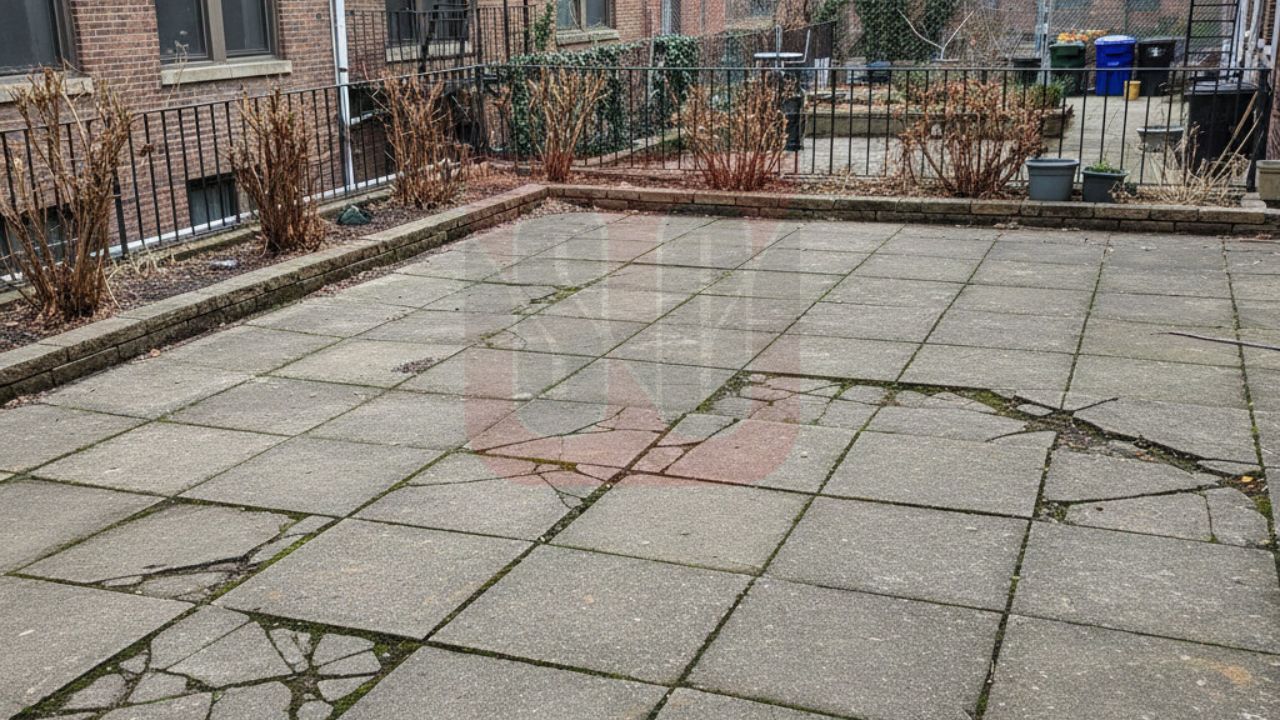
One of the first things most homeowners notice on their patio is cracking, and for good reason. Cracks can start small and seem harmless, but they’re often the first red flag that your patio is under stress.
Cracks
Not all cracks are created equal. Hairline cracks might just be due to normal shrinkage as the concrete cures. But deeper or widening cracks tell a different story. They can indicate that the soil underneath your patio is shifting or settling unevenly. Over time, this movement puts pressure on the slab, forcing it to crack along weak points.
If those cracks keep getting wider or water seeps into them, you could be looking at erosion beneath the surface, meaning a problem that only gets worse with freeze-thaw cycles in colder months. The longer you wait, the more likely you’ll need more than just patchwork
Spalling and Pitting
Spalling happens when the surface of the concrete starts to flake, peel, or chip away. You might notice small holes or rough patches that weren’t there before. This is usually the result of moisture seeping into the surface and freezing during cold weather, which forces the top layer of concrete to pop off.
Pitting, on the other hand, looks like tiny craters forming across your patio. While it may start small, pitting gradually weakens the surface, making it more prone to cracking or further damage. Both spalling and pitting take away from your patio’s appearance, but more importantly, they make it less durable.
Loose or Crumbling Edges
If the edges of your patio start to crumble or look worn down, it’s a sign of aging concrete. Edges are especially vulnerable because they’re exposed to foot traffic, water runoff, and the freeze-thaw cycle. Crumbling edges may also point to improper concrete finishing or insufficient curing during installation.
Stains and Discoloration
A few light stains from dirt or leaves are normal, but deeper discoloration or rust stains could mean something more serious. Rust stains might suggest rebar corrosion beneath the surface, while dark patches could indicate water is being trapped inside the concrete. That’s a problem worth investigating, since trapped moisture often leads to cracking or spalling down the road.
Uneven Surfaces and Shifting
A level patio isn’t just about appearance, but it’s about safety and stability. If you notice your patio starting to slope, sink, or rise unevenly, it’s time to take a closer look.
Sinking or Uneven Areas
If you see dips or low spots forming, the issue likely lies beneath the surface. The soil or base layer that supports your patio might have eroded or compacted unevenly, causing sections to sink. Sometimes, water drainage issues are to blame, since runoff that seeps underneath can wash away soil and create voids.
Besides looking uneven, these low spots often collect water, which speeds up the damage. If left unchecked, you may eventually have sections of your patio collapsing or becoming a tripping hazard. For expert help, consider reaching out to a professional concrete contractors who can assess the issue and recommend durable repair options.
Heaving or Buckling
On the opposite end, some patio sections may push upward: a problem known as heaving. This usually happens when moisture in the soil freezes and expands in winter, lifting parts of the slab. When the ground thaws, it doesn’t always settle back evenly.
Heaving can also occur from tree roots growing beneath your patio and pushing it upward. Either way, the uneven surface can quickly become dangerous and unsightly, not to mention frustrating to fix if ignored for too long.
Separating Slabs
If your patio is made up of multiple slabs, check the joints between them. Gaps that seem to be widening or separating indicate soil movement or settling underneath. While a little separation is normal over time, larger gaps are a sign that the foundation isn’t stable anymore.
Once these gaps open up, they allow even more water to seep in, worsening the erosion beneath the slabs and creating a cycle of damage.
Water and Moisture Issues
Concrete may seem like a solid, impenetrable surface, but it’s actually porous , which means water is its biggest enemy.
Pooling Water
After it rains, watch how water behaves on your patio. If you notice puddles that don’t drain after several hours, you probably have a slope or drainage issue. Standing water seeps into the concrete, weakening it from within. Over time, this moisture contributes to cracking, erosion, and even algae growth, making the surface slippery and unsafe.
Improper slope during installation is the most common cause of pooling. Ideally, your patio should have a gentle slope (about 1/4 inch per foot) to guide water away from your home and off the surface. If that wasn’t done correctly, drainage problems are almost guaranteed.
Efflorescence
Efflorescence might sound like a fancy word, but it’s easy to spot. It’s that white, chalky residue that appears on the surface of concrete. While it’s not harmful, it’s a clear sign that moisture is moving through your concrete.
Here’s what’s happening: water travels through the concrete, dissolving natural salts inside it. When that water evaporates on the surface, it leaves the salts behind while forming a powdery layer. Over time, persistent efflorescence can indicate deeper water penetration, which eventually weakens your patio’s structure.
If you’re noticing frequent efflorescence, it’s a good idea to seal your patio and check for drainage problems.
Why Early Repairs Matter
Concrete damage doesn’t fix itself. What starts as a small crack or stain can quickly turn into a major structural issue. Early repairs not only save you money, but they also protect your patio’s lifespan and safety.
For minor cracks or stains, the surface can be sealed or caulked before the damage spreads. But if your patio shows signs of sinking, heaving, or widespread spalling, it might be time to consider more extensive repairs or slab replacement by getting help from a professional concrete repair contractor near you.
Conclusion
Your concrete patio is more than just a slab of stone, but it’s an extension of your home. It’s where memories are made, dinners are shared, and quiet moments are spent. Keeping it in good shape ensures it stays safe, strong, and beautiful for years to come.
By watching out for early warning signs like cracks, uneven surfaces, pooling water, or efflorescence, you can catch problems early and prevent costly repairs later on. Concrete may be tough, but it’s not invincible. A little attention today goes a long way toward keeping your patio sturdy tomorrow. If you notice cracks, uneven areas, or water damage, consider calling a professional concrete repair to restore your patio’s beauty and strength.